
Newborn Care tips: Every New Parent Should Know!
Updated: Jun 7
✦ BLOG BY A SPECIALIST ✦ A Complete Guide for New Parents — First 28 Days of Life ✍️ Dr. Apoorva B. Shah | Consultant Pediatrician & Neonatologist | Velocity Multispeciality Hospital, Surat |
The birth of a child is the most transformative moment in any parent's life. As a Pediatrician and Neonatologist, I see the same anxiety in every parent's eyes — "Am I doing this right?"
This guide is my attempt to sit across the table from you and answer every question you were afraid to ask. Bookmark it. Share it. Keep coming back to it — because your newborn deserves a parent who is confident, informed, and prepared.
💡 DID YOU KNOW? The first 28 days of life — the NEONATAL PERIOD — are the most critical of a human being's entire life. More than 75% of infant deaths occur during this window, most of which are preventable with correct knowledge and timely medical attention. |
─── SECTION 01: 🌡️ Keeping Your Newborn Warm

A newborn baby cannot regulate its own body temperature. Newborns lose heat rapidly because they have a large body surface area relative to their weight. Cold stress is one of the leading causes of neonatal illness and even death. The ideal room temperature for your newborn is 26–28°C (78–82°F).
• Dress the baby in one more layer than what you yourself feel comfortable in.
• Always cover the baby's head with a soft cotton cap — significant heat loss occurs through the scalp.
• Kangaroo Mother Care (KMC) — skin-to-skin contact between mother and baby — is scientifically proven to stabilize temperature, heart rate, and oxygen levels.
• Avoid exposing the baby directly to fans, air conditioners, or open windows.
• Do not give bath the newborn for the first 7-10 days after birth. You may simply sponge them avoiding umbilical area.
⚠️ Cold Baby Warning Signs If the baby's hands, feet, and belly feel cold to the touch, or the baby becomes unusually quiet and refuses to feed — this may indicate hypothermia. Use skin-to-skin contact and contact your pediatrician immediately. |
─── SECTION 02: 🤱 Feeding Your Newborn

Breastfeeding — The Gold Standard
As a pediatrician, I will be unambiguous: breast milk is the single best food for your newborn. It is not just nutrition — it is elixir. Breast milk changes its composition every week to match your baby's growing needs. It contains antibodies that protect your baby from infections, and peptides that promote brain development.
💡 DID YOU KNOW? The World Health Organization recommends EXCLUSIVE BREASTFEEDING FOR THE FIRST 6 MONTHS of life. Breastfed babies have significantly lower rates of ear infections, respiratory illness, diarrhoea, allergies, and even Sudden Infant Death Syndrome (SIDS). |
• Initiate breastfeeding within the first hour of birth. This first feed triggers lifelong bonding hormones.
• The first milk — COLOSTRUM — is thick and yellowish. Do not discard it. It is loaded with antibodies and is your baby's first natural vaccine.
• Feed on demand — every 1.5 to 3 hours in the first weeks. A newborn's stomach is the size of a small lemon at birth.
• Ensure a proper latch: the baby's mouth should cover the lower areola (dark area), not just the nipple. Find Breastfeeding related videos here
• Signs of adequate feeding: baby satisfied after feeds, producing at least 6–8 wet nappies per day, and gaining weight appropriately.
• Avoid pacifiers and bottle nipples in the first 4–6 weeks (atleast) to prevent nipple confusion.
Formula Feeding — When Breastfeeding Is Not Possible
In some situations — medical conditions, inadequate milk supply, or personal circumstances — formula feeding becomes necessary. A fed baby is always better than an unfed baby. There is no shame in formula feeding when it is the right decision.
• Always use a commercially prepared infant formula — never undiluted cow's milk in the first year.
• Prepare formula with cooled boiled water following the manufacturer's instructions precisely. (30ml water+1 scoop power and like wise)
• Never add extra powder to 'make it stronger' — this can cause kidney damage.
• Sterilize all utensils, bottles and feeding equipment after every use.
ℹ️ When to Seek Help with Feeding If your baby is not latching, feeding less than 8 times in 24 hours, appears unusually sleepy, or has lost more than 10% of birth weight by Day 5 — consult your pediatrician without delay. |
─── SECTION 03: 🧷 Monitoring Urine & Stools
Urine
• Day 1–2: 1–2 wet nappies are normal (colostrum volume is small).
• From Day 3 onwards: expect at least 6 wet nappies per day. This confirms adequate milk intake.
• Urine should be pale yellow. Orange-red 'brick dust' staining in the first 3 days is normal but should disappear by Day 4–5.
• If dark urine persists beyond Day 5 — contact your doctor.
• In baby girl; Slight vaginal discharge and minor hormonal withdrawal bleeding (between day 5-15) are fine. Nothing to worry.
Stools — The Color Chart Every Parent Must Know
• Black, tarry (Meconium): Normal for Day 1–3. If meconium is not passed within 48 hours, inform your doctor.
• Greenish-yellow (Transitional): Days 3–5, as breast milk comes in.
• Yellow, mustard-like, seedy: Normal for breastfed babies. Frequency from 10 times/day to once a week — both normal.
• White or pale clay-colored: NEVER normal. May indicate a liver problem. Seek medical care immediately.
• Blood in stool: Always abnormal. Contact your doctor immediately.
💡 DID YOU KNOW? Breastfed babies almost never get true constipation. Their stools are naturally soft, even if they go several days without one. |
─── SECTION 04: 🌸 Newborn Skin Care

• Vernix Caseosa — the white, waxy coating on a newborn's skin — is nature's moisturiser and antibacterial shield. Do not rush to remove it.
• Delay the first bath until at least umbilical cord falls off. (WHO recommendation).
• Use only warm water and a soft cloth for the first 2–4 weeks. No soap on the face or genitals.
• Dry skin and mild peeling in the first week is completely normal — no creams needed unless advised by a doctor.
• Nappy rash: Change nappies frequently; use a zinc oxide-based barrier cream if redness develops.
• Baby acne (Milia): Small white bumps on the face. Harmless; disappear on their own by 4–6 weeks. Do not squeeze.
• Mongolian spots: Blue-grey patches on the lower back are a normal skin marking, common in Indian babies. They are NOT bruises.
• Avoid talcum powder near the baby's face or genitals — inhalation and irritation risk.
☀️ A Word on Sunlight A brief period of indirect morning sunlight (before 9 AM) through a window is beneficial to get Vitamin D. Never expose a newborn to direct harsh sunlight. |
─── SECTION 05: 🚨 Danger Signs — When to Seek Immediate Help
As a parent, your gut instinct is your first line of defense. If something feels wrong, it probably is. Do not wait until morning. Do not Google symptoms. Come to us. These signs warrant IMMEDIATE medical attention:
🔵 Baby appears blue or dusky around the lips or face (Cyanosis) | 😴 Unable to wake baby for feeds / extreme lethargy |
😮💨 Fast breathing (>60 breaths/min) or grunting sounds | 🤲 Jerky movements, stiffness, or seizure-like activity |
🌡️ Fever above 38°C (100.4°F) or body temp below 36°C | 💧 No urine for more than 8 hours |
💛 Deep yellow color reaching the abdomen or legs | 🍽️ Refusing to feed for more than 4–6 hours |
🤢 Repeated projectile vomiting or green-coloured vomit | 🩹 Bleeding or foul smell from the umbilical cord stump |
🚨 Dr. Shah's Rule for New Parents In a newborn, no symptom is too small to report. Newborns cannot tell you they are suffering. They communicate through their feeding, activity, color, and cry. Trust your gut — and call your pediatrician. |
─── SECTION 06: 💛 Neonatal Jaundice
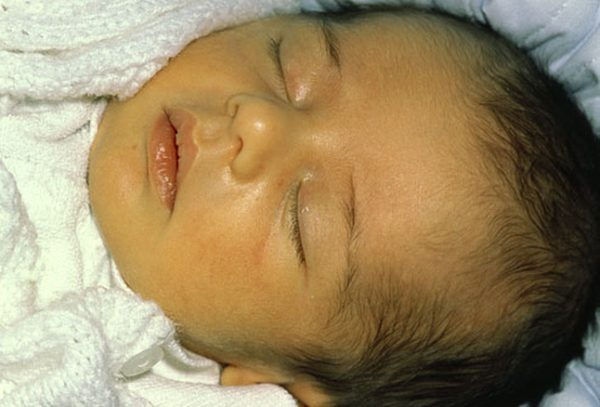
Neonatal jaundice — the yellowish dis-coloration of your newborn's skin and eyes — is the most common condition I see in newborns. Over 60% of term newborns and 80% of preterm newborns develop jaundice. Most cases are physiological (normal) and resolve on their own. But some require urgent treatment.
💡 DID YOU KNOW? Jaundice occurs because newborns have extra red blood cells at birth that break down rapidly, releasing a pigment called BILIRUBIN. The newborn's immature liver cannot process bilirubin fast enough, so it builds up in the skin — causing the yellow colour. |
📊 Understanding Jaundice Progression | ||
😊 FACE ONLY Usually physiological. Monitor closely. Increase breastfeeding frequency. | 👀 CHEST / ABDOMEN Watch carefully. Bilirubin test recommended. May need phototherapy. | 🚨 ARMS, LEGS & PALMS Seek IMMEDIATE medical attention. High bilirubin can harm the brain (Kernicterus). |
Red Flags — Jaundice That Is Never Normal
• Jaundice appearing within the first 24 hours of birth (Pathological Jaundice)
• Jaundice lasting beyond 2 weeks in a term baby or 3 weeks in a preterm baby
• Pale, clay-colored stools with deep yellow skin (suggests liver disease)
• Baby arching back, high-pitched crying, or difficult to arouse
Treatment
Mild jaundice requires increased breastfeeding (8–12 times/day) and monitoring. Significant jaundice is treated with PHOTOTHERAPY (specialized blue light therapy). In severe cases, an exchange transfusion may be required.
─── SECTION 07 : 🔬 Newborn Screening — One Test That Can Change a Life
Newborn Screening (NBS) is a simple blood test done from a heel prick — usually on Day 2–3 of life — that can detect over 50 serious but treatable conditions before symptoms appear. Early treatment can prevent intellectual disability, organ failure, and death.
💡 DID YOU KNOW? Congenital Hypothyroidism affects 1 in 2,000 newborns in India. If untreated in the first few weeks of life, it causes permanent intellectual disability. With newborn screening and early treatment — a simple thyroid hormone tablet daily — your child can develop completely normally. This single test can be the difference between a normal life and a lifetime of disability. |
Conditions screened for include:
✔ Congenital Hypothyroidism | ✔ G6PD Deficiency |
✔ Phenylketonuria (PKU) | ✔ Biotinidase Deficiency |
✔ Congenital Adrenal Hyperplasia | ✔ Sickle Cell Disease |
✔ Galactosaemia | ✔ Maple Syrup Urine Disease (MSUD) |
✅ My Strong Recommendation I urge every parent to insist on comprehensive newborn screening before discharge from the hospital. If it was not done, get it done in the first week of life. Ask your pediatrician about the newborn screening panel availability in Surat and Gujarat. |
─── SECTION 08: 🔗 Umbilical Cord Care
After birth, the umbilical cord is cut, leaving a small stump attached to the baby's belly button. This stump dries up and falls off on its own within 7 to 21 days.
• Keep the cord stump clean and dry at all times.
• Fold the diaper below the stump level to expose it to air and prevent urine contamination.
• Do NOT apply any traditional remedies — no oil, no turmeric, no ash, no cow dung. These practices increase the risk of serious infection (Omphalitis / Tetanus).
• Sponge baths only until the cord falls off — no tub immersion.
• Do not try to pull or twist the cord stump. Let it separate on its own.
• A small amount of dried blood around the base is normal.
⚠️ Signs of Cord Infection — Seek Immediate Care Redness or swelling spreading to the skin around the cord, pus or foul smell, baby appears unwell or has a fever. Cord infection (Omphalitis) can rapidly become life-threatening in newborns. |
─── SECTION 09: 👨⚕️ Routine Pediatrician Visits
Prevention is always better than cure. Regular well-baby visits allow me to monitor your baby's growth, development, nutrition, and vaccinations — and to catch any problems early, often before you even notice a symptom.
When | Key Focus Areas |
Day 3–5 | Weight check, jaundice assessment, feeding support, newborn screening |
Day 14 | Weight gain review, feeding check, cord care, skin check |
1 Month | Development check, Colic Counselling, Vitamin D review |
6 Weeks | Complete developmental assessment, vaccination due |
10 & 14 Weeks | Motor milestones, vaccination, nutrition review |
6 Months | Solid food readiness, growth monitoring, vaccination |
📅 A Reminder for Parents Do not visit the doctor only when your baby is sick. Well-baby checks are equally — perhaps even more — important. Many developmental delays, hearing issues, and metabolic disorders are first detected at these routine visits. |
─── SECTION 10: ⚖️ Weight Monitoring & Expected Changes
Weight is the most objective indicator of how well your newborn is feeding and growing. Parents are often alarmed when babies lose weight after birth — this is completely normal and expected.
🔻 Days 1–4 Normal weight loss up to 7–10% of birth weight due to fluid loss. | ↔️ Days 5–7 Weight stabilizes and begins to recover. | 🔺 Days 10–14 Most babies regain their full birth weight. |
After the initial loss, expect your baby to gain approximately 25–30 grams per day in the first 3 months. Most babies double their birth weight by 5 months and triple it by 1 year.
⚠️ When to Worry About Weight Weight loss exceeding 10% of birth weight, failure to regain birth weight by 2 weeks, or poor weight gain (less than 150g/week in the first 3 months) requires evaluation. These may indicate a feeding problem, milk supply issue, or underlying medical condition. |
─── SECTION 11: The Importance of Burping
During feeding, babies swallow air along with milk. This trapped air causes discomfort, fussiness, and spitting up. Burping releases this air and makes your baby more comfortable after feeds.
• On your shoulder: Hold the baby upright against your chest, chin resting on your shoulder. Support the bottom with one hand and gently pat the back with the other.
• Sitting up: Sit the baby on your lap, support the chest and head with one hand, lean the baby slightly forward, and pat the back gently.
• Face down on the lap: Lay the baby face-down across your lap with the head slightly higher than the chest. Gently pat the back.
💡 Golden Rule Always burp your baby after each feeding — and keep the baby upright for 10–20 minutes after a feed. This significantly reduces spitting up and prevents discomfort from reflux. |
─── SECTION 12: 😴 Safe Sleeping Position
💡 DID YOU KNOW? Sudden Infant Death Syndrome (SIDS) — the unexplained death of a healthy baby during sleep — is responsible for thousands of infant deaths globally every year. Research shows that placing babies on their backs (supine) to sleep REDUCES THE RISK OF SIDS BY UP TO 50%. |
• Always place your baby on their back to sleep — never on the stomach (prone) or side.
• Elevate the head end of the mattress slightly (~30°) for reflux. Place a firm folded towel under the mattress — never under the baby directly.
• The sleeping surface should be firm and flat — no soft mattresses, pillows, bumpers, or stuffed toys in the sleeping area.
• Room sharing (but not bed sharing) is recommended for the first 6 months.
• Avoid overheating during sleep — do not over-bundle the baby at night.
• Avoid exposure to cigarette smoke — smoking in the home significantly increases SIDS risk.
─── SECTION 13: 💝 Mother Care — You Cannot Pour from an Empty Cup
I cannot emphasize this enough: the mother's health is inseparable from the baby's health. A depleted, exhausted, poorly nourished mother cannot produce adequate milk, heal her body, or care for her baby optimally.
Rest
Sleep when the baby sleeps. This is not a cliché — it is a medical directive. Postpartum sleep deprivation increases the risk of postpartum depression, reduces milk supply, and impairs judgment. Family members must actively support the mother in getting uninterrupted rest.
Nutrition — Indian Postpartum Foods That Truly Help
• Methi Ladoos / Methi Dal: Proven galactagogue (milk-boosting). Also helps with postpartum joint pain.
• Ajwain Water: Aids digestion, reduces bloating and gas — both in mother and through breast milk to baby.
• Dry Fruits & Nuts: Almonds, walnuts, cashews — rich in healthy fats, calcium, and iron needed for milk production.
• Ghee in moderation: Provides essential fatty acids and aids wound healing. Do not overdo it.
• Dal, khichdi, Milk: Easy to digest, protein and calcium-rich, excellent for milk supply.
• Fresh fruits and vegetables: Papayas, leafy greens, bananas — rich in iron, folate, Vitamin C.
Water Intake
A breastfeeding mother produces approximately 750–900 ml of milk daily and needs to stay well hydrated. Drink at least 2.5–3 lit of fluids per day including water, milk, coconut water, dal, and soups. If your urine is dark yellow, you are not drinking enough.
💙 Mental Health Matters Postpartum baby blues (mild sadness, tearfulness in the first 2 weeks) are normal. But if you feel persistently sad, disconnected from your baby, overwhelmed with anxiety, or have thoughts of harming yourself or the baby — please seek help immediately. Postpartum depression is a medical condition, not a personal failure, and is highly treatable. |
─── SECTION 14: 💉 Birth Vaccinations
Vaccination begins on the very first day of life. India's national immunization schedule and the Indian Academy of Pediatrics (IAP) recommend the following vaccines at birth and in the first months:
When | Vaccine | Protects Against | Notes |
At Birth | BCG | Tuberculosis (TB), especially severe TB in infants | Given within 24–72 hours of birth |
At Birth | Hepatitis B — Dose 1 | Hepatitis B virus (liver disease) | Critical — within 24 hours of birth |
At Birth | OPV — Dose 0 | Poliomyelitis (Polio) | Oral drops; given with BCG and Hep B |
6 Weeks | DTwP/DTaP, IPV, Hib, Hep B, Rotavirus, PCV | Diphtheria, Tetanus, Whooping Cough, Polio, Meningitis, Pneumonia, Rotavirus Diarrhoea | Major vaccination milestone — 6 vaccines at once |
⚠️ Vaccine Myths — Addressed "My baby is too young for so many vaccines." — Vaccines are scientifically formulated specifically for newborns and infants. The immune system handles hundreds of antigens daily from the environment. Delaying vaccines leaves your baby vulnerable during the highest-risk period of life. Vaccinate on schedule. |
Want Vaccination Reminders in future on your WhatsApp?
You can conveniently book your vaccination here also:
─── SECTION 15: 💊 Vitamin K & Vitamin D
Vitamin K — Protecting Your Baby from Bleeding
Newborns are born with very low levels of Vitamin K — essential for blood clotting. Without adequate Vitamin K, babies are at risk of Vitamin K Deficiency Bleeding (VKDB), which can cause life-threatening bleeding in the brain, intestines, or other organs — often without any warning.
💡 DID YOU KNOW? VKDB can occur even in completely healthy, well-fed, breastfed babies. A single intramuscular injection of Vitamin K at birth essentially eliminates this risk entirely. This is one of the most important interventions we give at birth. |
A single injection of Vitamin K (1 mg IM) is given at birth — strongly recommended by the IAP, WHO, and every major paediatric body globally. If your baby was born at home, ensure the Vitamin K injection is given within the first 6 hours at the nearest health facility.
Vitamin D — Building Bones and Immunity from Day One
Breast milk, though nearly perfect in every other way, contains very little Vitamin D. The IAP recommends Vitamin D supplementation of 400 IU per day starting from the first week of life, continuing for at least the first year. This prevents rickets, supports immune function, and supports brain development. Available as oral drops — easy to administer daily.
✅ Key Takeaway Vitamin K injection at birth: non-negotiable. Vitamin D drops daily from Week 1: non-negotiable. Both are simple, safe, and protect your baby from conditions that are entirely preventable. |
─── SECTION 16: 🏠 Discharge Planning — Before You Leave the Hospital
The moment you leave the maternity hospital, you are the primary caregiver of the most vulnerable person in the world. Ensure every item on this checklist is completed before you go home:
✔ Vitamin K injection given | ✔ Breastfeeding established and demonstrated |
✔ BCG, Hepatitis B & OPV vaccines administered | ✔ Vitamin D drops prescribed and dispensed |
✔ Newborn Screening blood sample collected | ✔ First follow-up appointment booked (Day 3–5) |
✔ Hearing screening (OAE/BERA) completed / Planned | ✔ Pediatrician's emergency contact number noted |
✔ Pulse oximetry for heart defect screening done | ✔ Danger signs explained to both parents |
✔ Jaundice (bilirubin) level checked | ✔ Safe sleeping instructions given |
📋 My Parting Advice Take your discharge summary. Read it. Keep it safe. It contains your baby's birth weight, blood group, bilirubin levels, and vaccination record. Your pediatrician will need this at every visit. Write down your follow-up appointment in your phone right now, before you forget. |
Book Your First Consultation at Velocity Kids Care:
Have Questions About Your Newborn? Dr. Apoorva B. Shah is available for consultations at Velocity Multispeciality Hospital, Surat. Whether it's your first day home or your baby's first month — you don't have to navigate this alone. 💬 WhatsApp: +91-9712999070 📞 Appointment: +91-7435081000 |


Comments